
One of the most common questions couples ask is: how many hours of coverage do you need for a wedding photographer?
The answer depends on your timeline, guest count, and what moments matter most to you. From getting ready through the final send-off, wedding photography coverage hours can vary widely. In this post, I’ll break down how many hours of wedding photography is typically enough, what’s included in different coverage lengths, and how to choose the right option for your day—without paying for more time than you need.
How Many Hours of Coverage Do You Need for a Wedding Photographer?
Most couples need between 6 and 10 hours of wedding photography coverage. The right amount of time depends on how your day is structured, whether events are at one location or multiple, and how important getting-ready photos are to you. A shorter wedding day doesn’t always mean less coverage—it just means being more intentional with timing.
How Many Hours of Wedding Photography Do I Need for a Full Day?
If you want your full wedding day documented—from getting ready through open dancing—8 to 10 hours is usually ideal. This allows time for details, candid moments, portraits, the ceremony, and reception without feeling rushed. Full-day coverage is best for traditional timelines or larger weddings.
Is 6 Hours Enough for Wedding Photography?
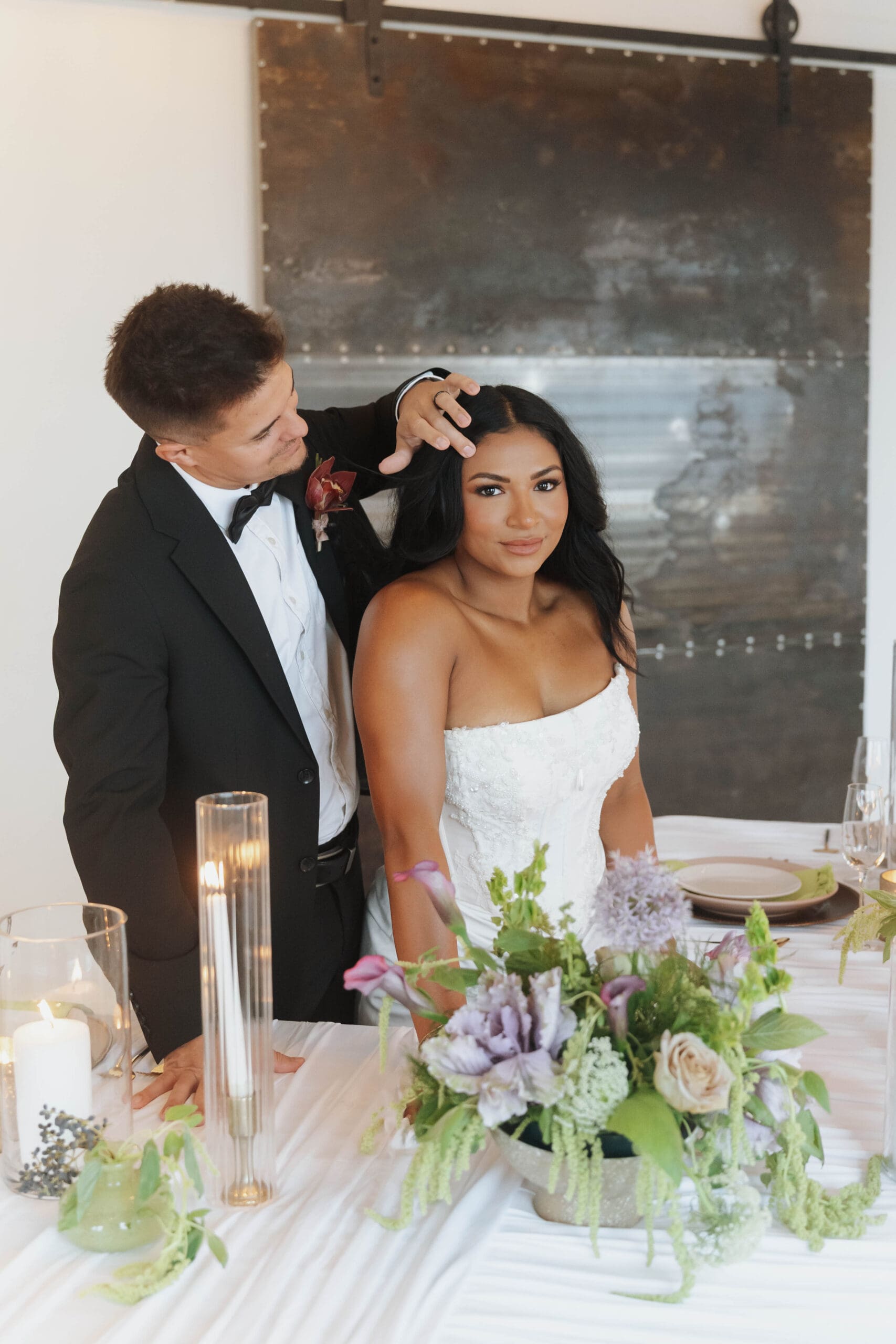
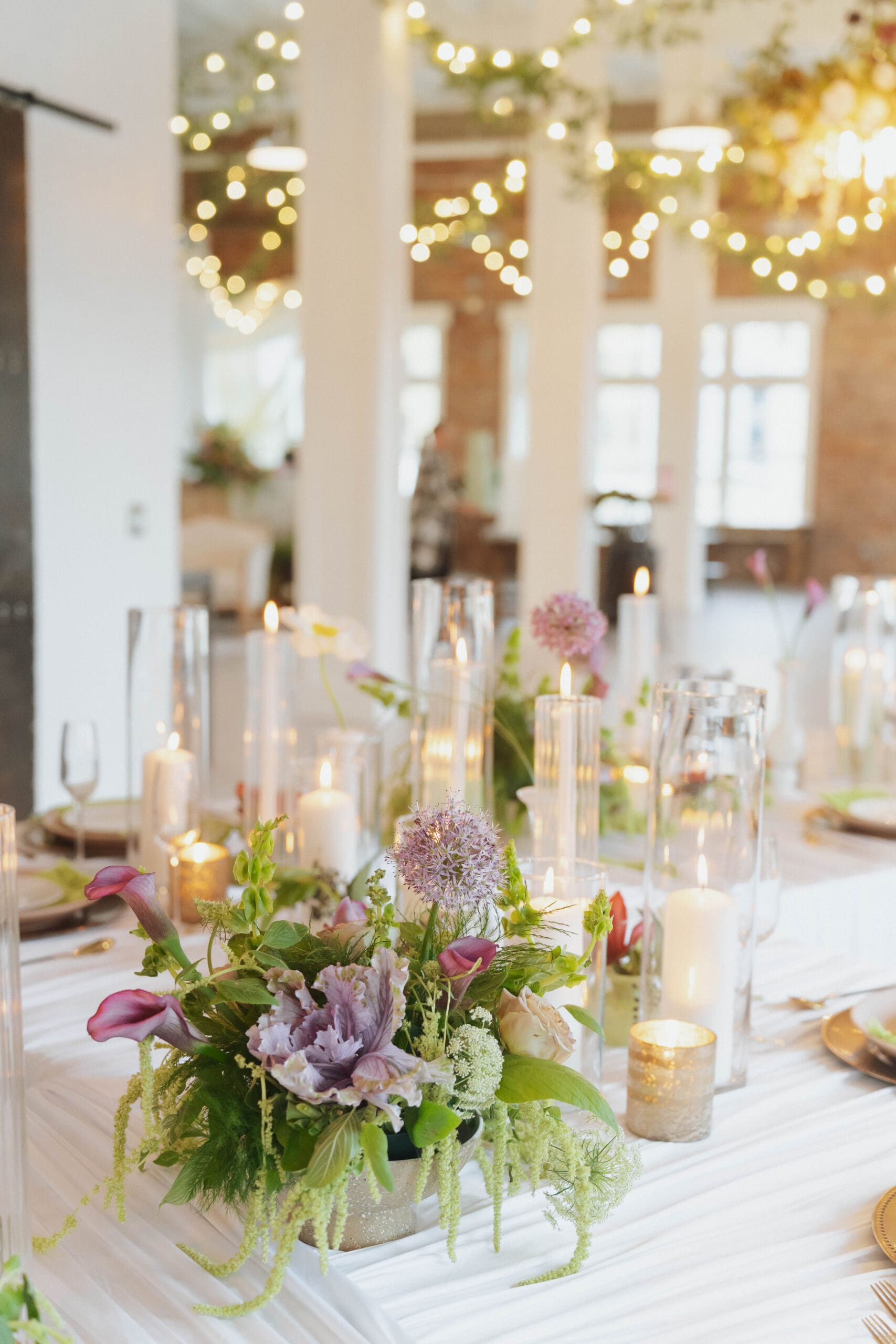
Six hours of wedding photography coverage is great for couples who want solid coverage without a long, drawn-out timeline. This option works best for smaller weddings, one main location, and couples who aren’t worried about documenting every single moment. We usually jump in around the end of getting ready and stay through the ceremony, portraits, and the start of the reception.
This is for you if you’re more about the moments than the marathon. You still get the important stuff—just without extra time spent waiting around or padding the schedule.
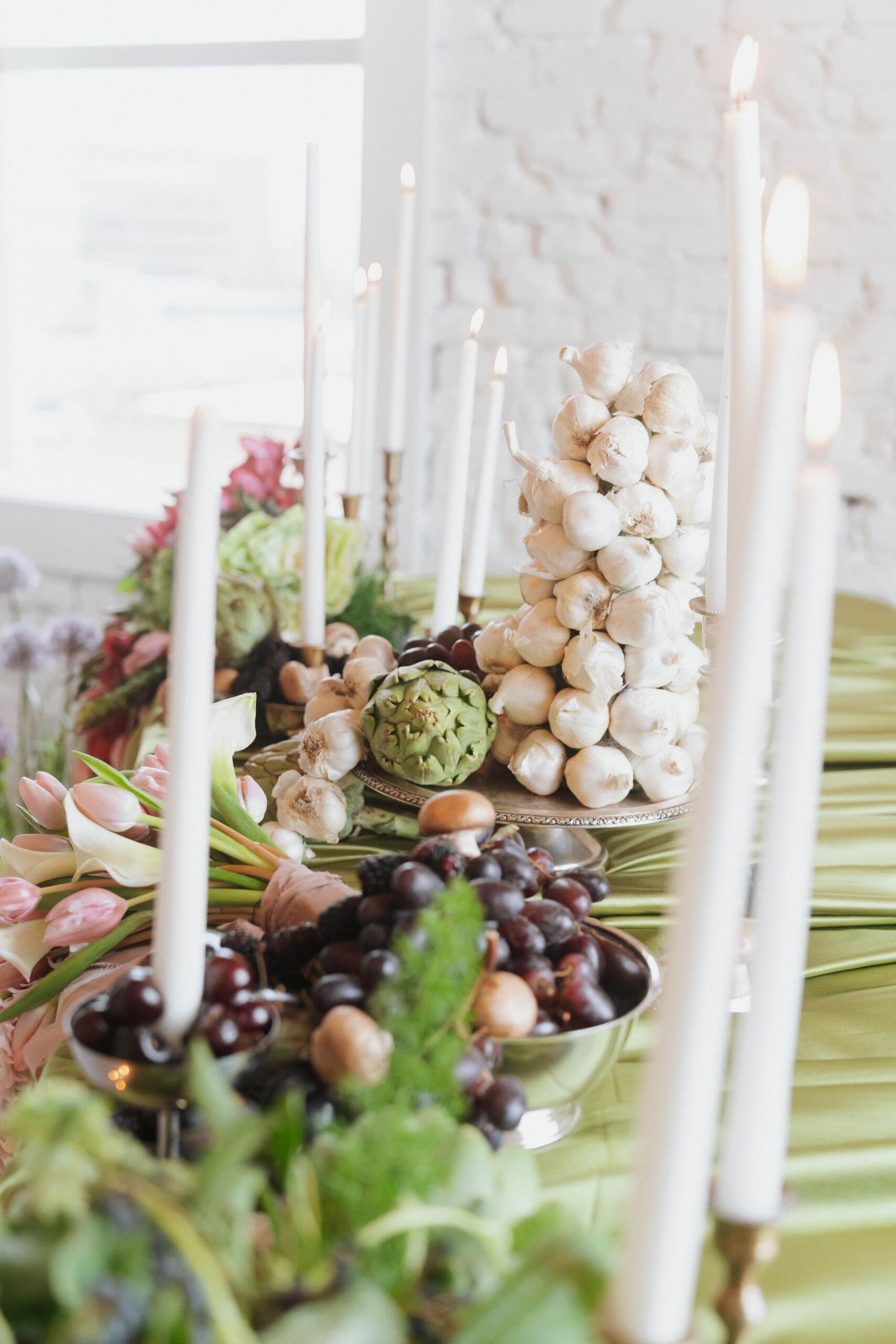

Is 8 Hours Enough for Wedding Photography?
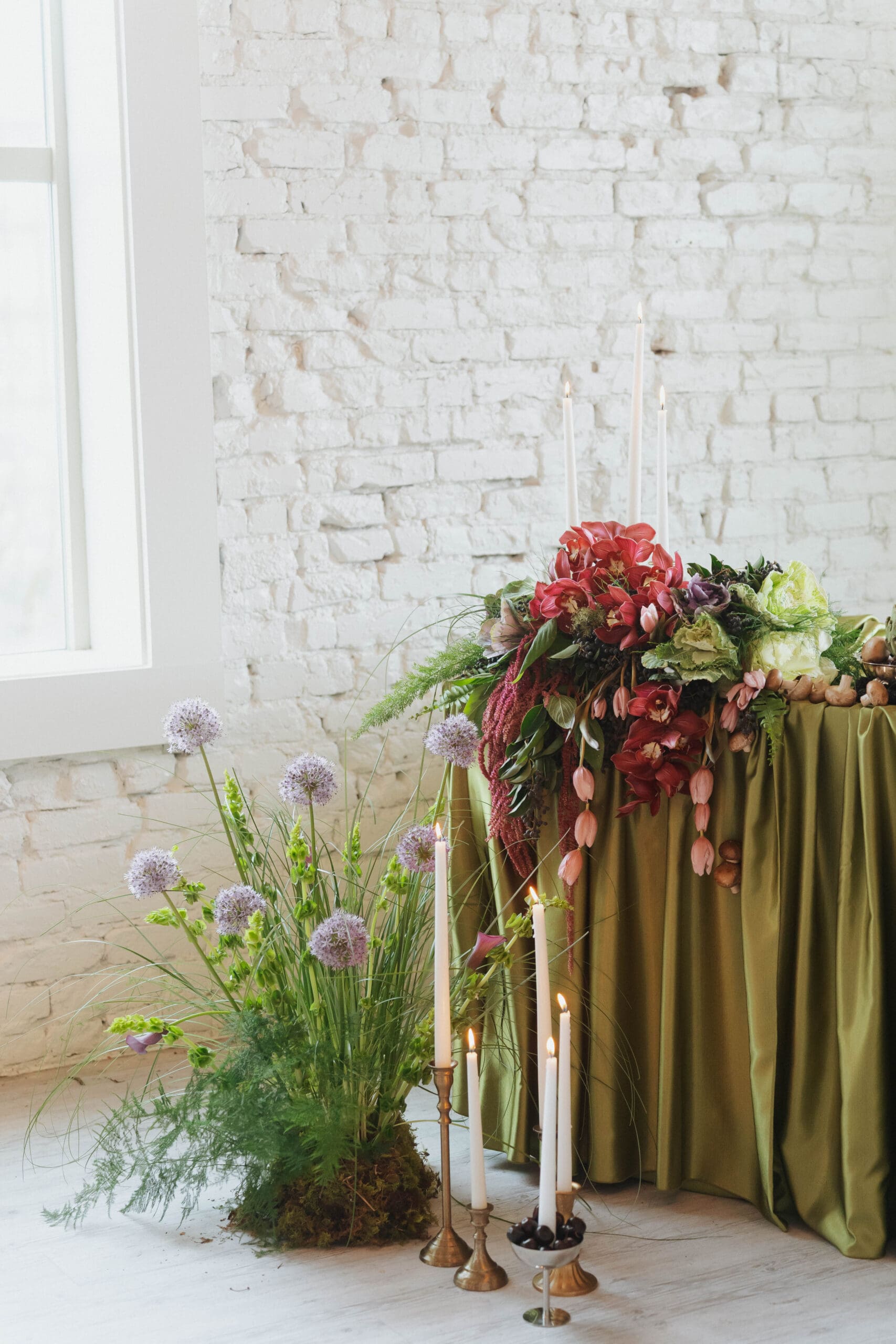
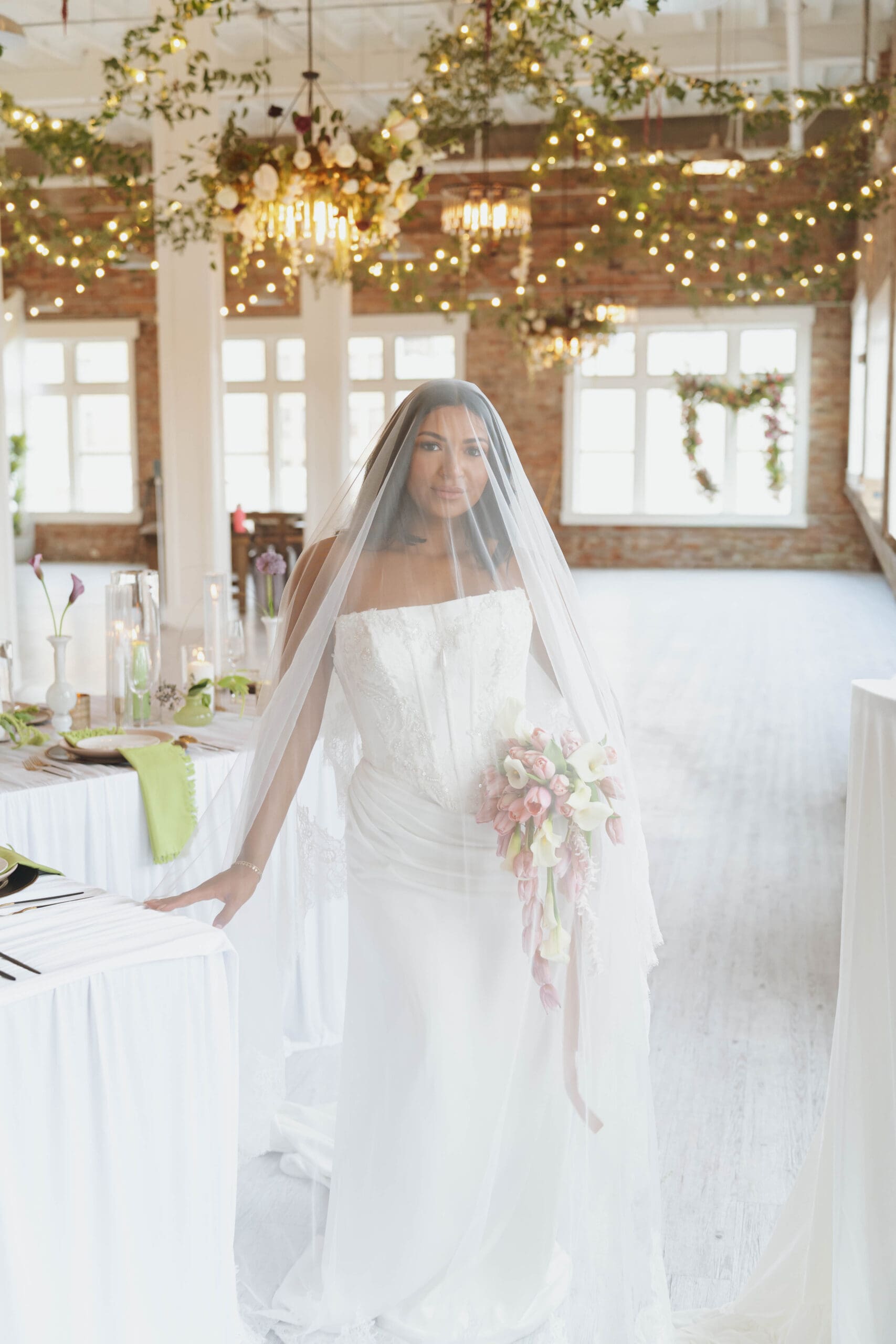
Eight hours is my most popular wedding photography coverage, and honestly—it’s the sweet spot for most couples. It allows time for getting ready, detail photos, the ceremony, family and couple portraits, plus a good chunk of the reception without feeling rushed. There’s breathing room in the timeline, which usually means better photos and a calmer day.
If you want your story told from start to party (but don’t need the very last dance), 8 hours is usually the perfect balance. It gives us flexibility when the day inevitably runs a little behind—because it always does.
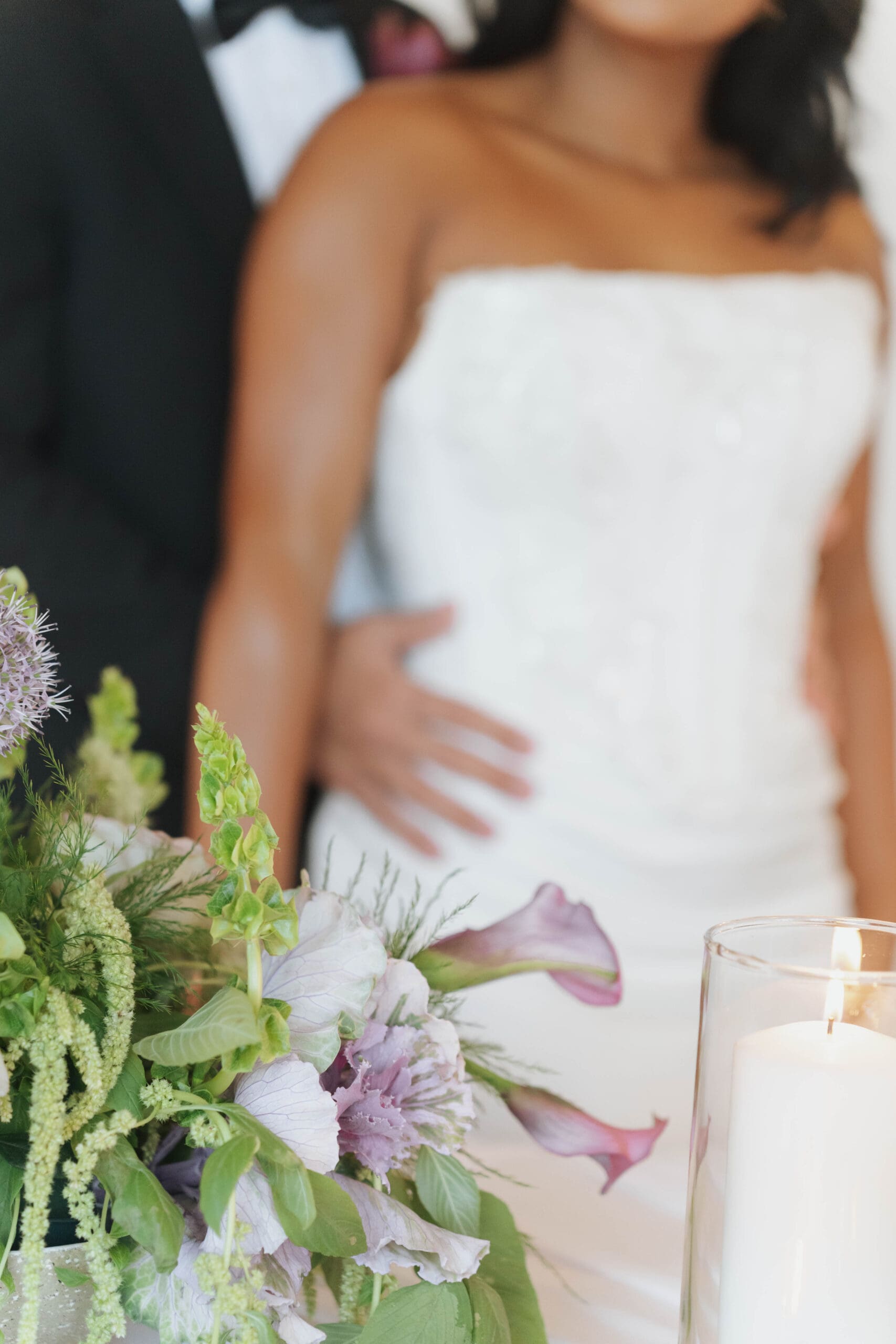
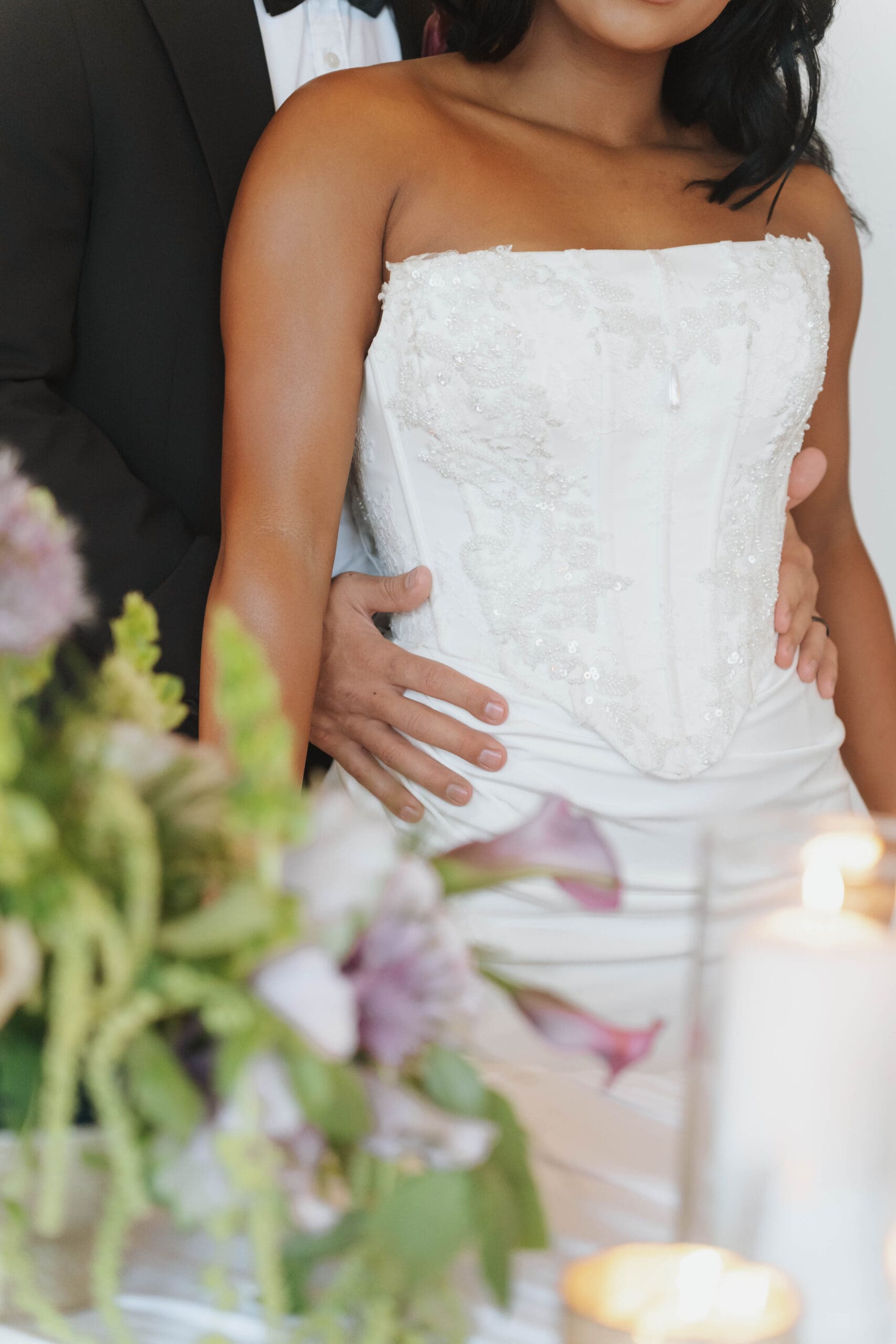
Is 10 Hours of Wedding Photography Too Much?
Ten hours of wedding photography coverage is for couples who want the full story. This is ideal for larger weddings, longer ceremonies, multiple locations, or anyone who wants getting ready photos and a grand exit. It’s also perfect if your day has a slower, more relaxed pace and you don’t want to watch the clock.
This option gives us time to document everything naturally—no rushing, no cutting moments short, and no stress if things run late. If your wedding day feels more like an experience than a schedule, 10 hours is absolutely worth it.
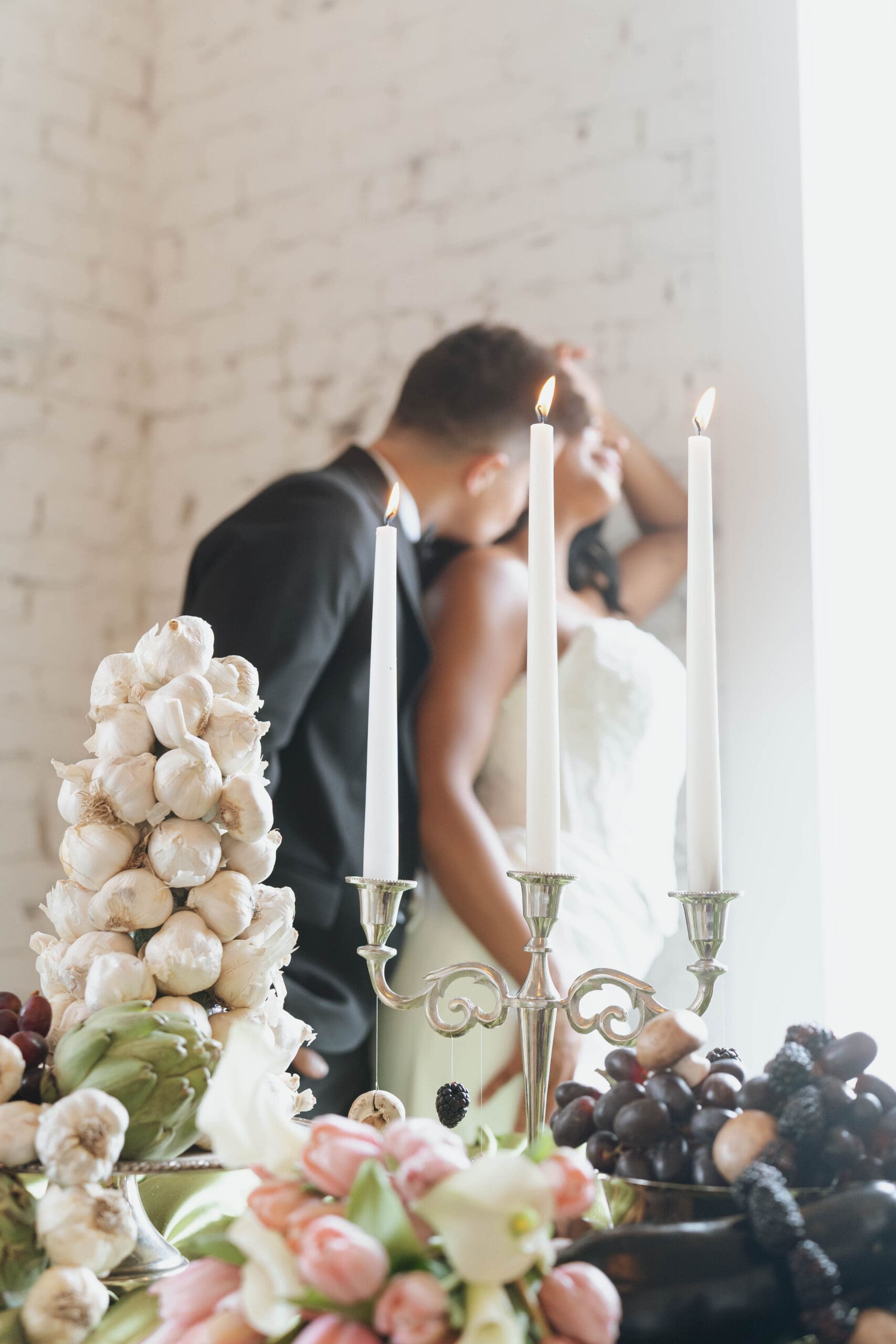
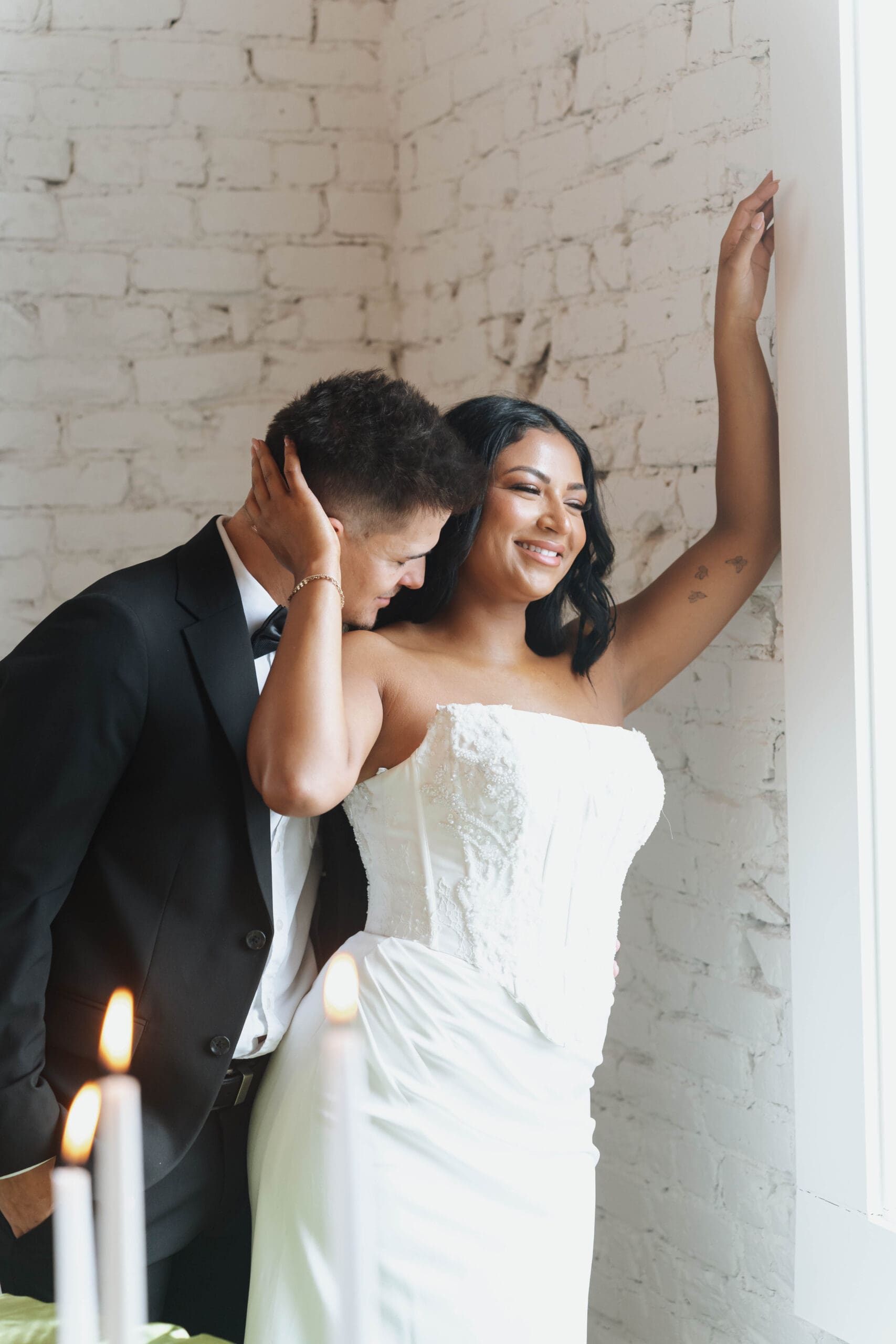
How Long Should a Wedding Photographer Stay?
How long a wedding photographer should stay really depends on what parts of your day matter most to you. Some couples care deeply about getting-ready photos and quiet moments before the ceremony, while others are all about the party and want dancing photos late into the night. There’s no right or wrong answer—just different priorities.
Instead of choosing coverage based on a number, I always encourage couples to think in terms of moments. Do you want photos of putting on the dress? A first look? A packed dance floor? A sparkler exit? Once we know what you want documented, the right amount of coverage usually becomes very clear.
My job is to help you build a timeline that feels relaxed and realistic, not rushed or stressful. The goal is for me to be there long enough to tell your story well—then quietly step out once the story feels complete.
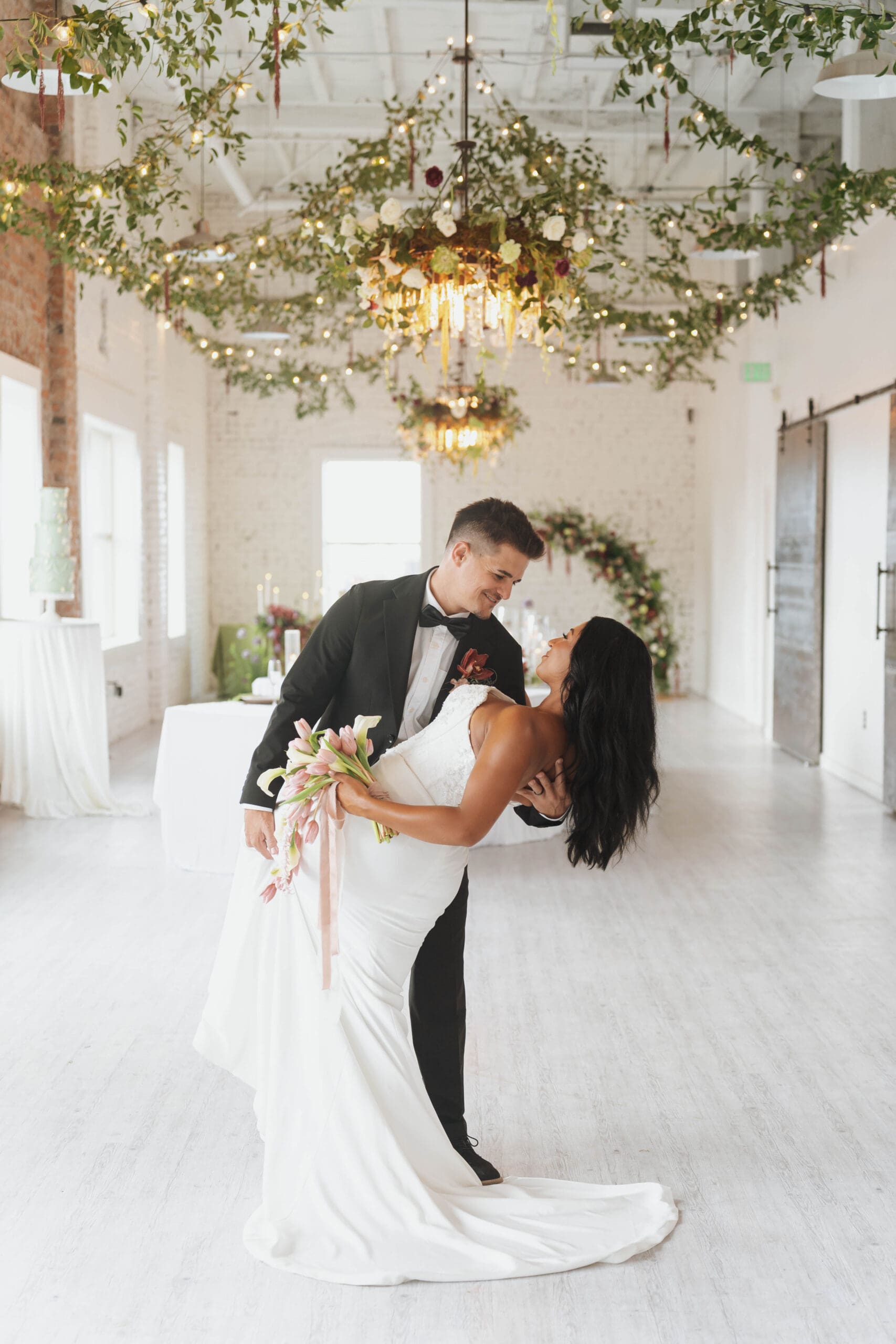
How to Choose Wedding Photography Coverage Hours
Choosing wedding photography coverage hours doesn’t have to be complicated. The best place to start is by looking at your timeline and identifying the moments you care about most. Coverage should support your day—not control it.
Here are a few things I walk through with couples when deciding how many hours they need:
- What time your ceremony starts
- How many locations you’ll be at
- Whether you want getting-ready photos
- How important reception and dancing photos are to you
- If you’re planning a grand exit or send-off
Once those pieces are clear, the right amount of coverage usually becomes obvious. My goal is always to recommend what fits your day—not to upsell hours you don’t actually need.
What Happens If You Need More Hours on Your Wedding Day?
Wedding days rarely run exactly on schedule—and that’s completely normal. If your timeline shifts or the party is still going strong, adding extra photography coverage is usually an option. Most couples don’t need to decide this ahead of time.
I always keep things flexible so you’re not stressed about watching the clock on your wedding day. If we need a little more time, we can adjust as we go. I’d rather you enjoy the moment than worry about whether the photographer is about to leave.
Final Thoughts: How Many Hours of Wedding Photography Is Enough?
At the end of the day, deciding how many hours of coverage for a wedding photographer you need is all about making sure your day is captured without feeling rushed. Whether that’s 6 hours, 8 hours, or a full 10-hour day, what matters most is that your story is documented in a way that feels true to you.
If you’re unsure how many hours you need, you don’t have to figure it out alone. I’m always happy to help you walk through your timeline and recommend coverage that fits your day perfectly.


